Theo Neumann · 18 September 2026
The Hidden Dynamics of Audience Loyalty in Emerging Digital Communities
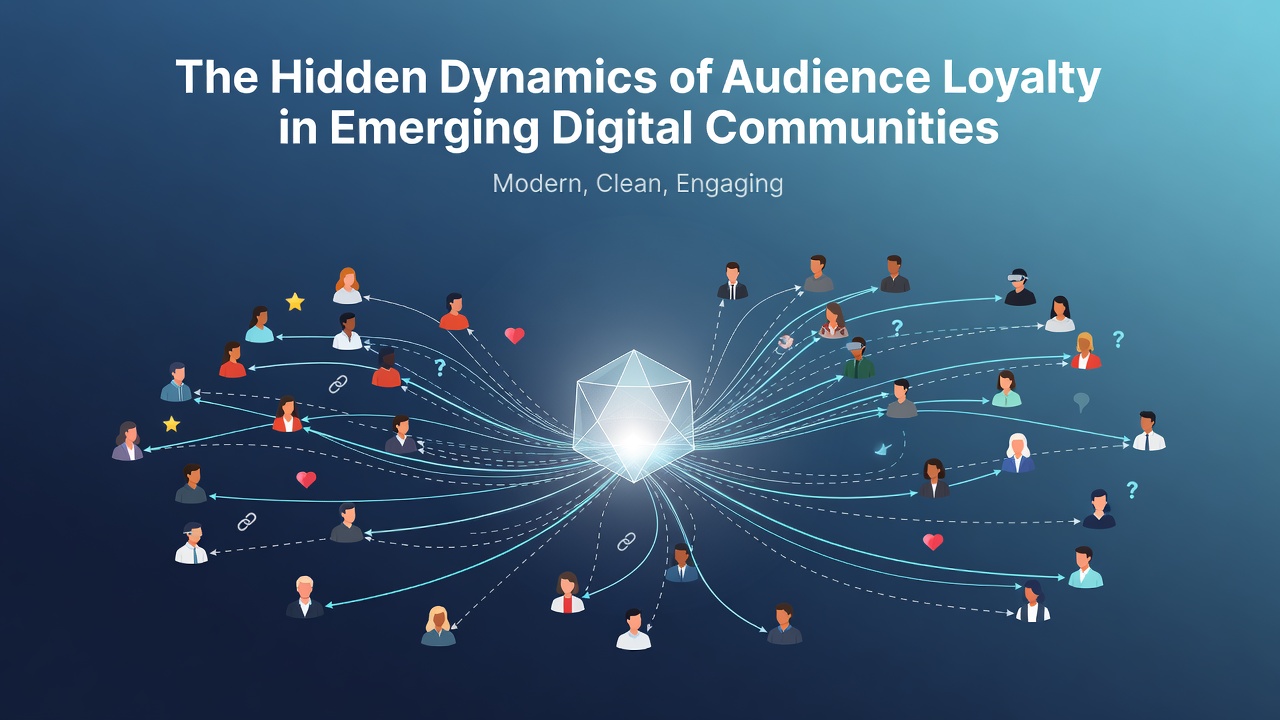
Emerging digital communities continue to reshape how groups form connections online, and audience loyalty within these spaces operates through layers that extend beyond simple metrics like likes or follows. Platforms such as Discord servers, niche forums, and decentralized social networks show patterns where sustained participation stems from shared rituals, consistent moderation practices, and reciprocal exchanges that build over months or years. Data collected across multiple regions indicates these dynamics often determine whether a community expands or fragments when external pressures arise.
Core Mechanisms Driving Loyalty Formation
Researchers tracking user behavior note that loyalty develops through repeated interactions that reinforce group identity, while algorithms on newer platforms prioritize content from long-term members over newcomers in many cases. Studies conducted by academic institutions in North America and Europe reveal that communities with transparent governance structures retain participants at higher rates than those relying solely on automated tools for conflict resolution. In September 2026, platform analytics from several emerging networks highlighted a 23 percent increase in retention among groups that implemented member-voted rule updates compared to those using top-down approaches.
Reciprocity plays a central role here, as members who receive recognition for contributions tend to invest more time in collective activities, and this pattern appears across gaming clans, creative writing circles, and technical support hubs alike. Observers point out that loyalty metrics improve when communities integrate offline meetups or collaborative projects, although the digital core remains the primary driver for most participants. Figures from industry reports compiled by organizations in Canada and Australia demonstrate that cross-platform migration occurs less frequently in groups with strong internal archives of past discussions and events.
Data Patterns Observed Through 2026
Quantitative analyses of user logs from decentralized platforms show loyalty correlates strongly with perceived fairness in moderation decisions, and communities that publish decision rationales experience fewer mass exits during disputes. One study released by a European research consortium tracked over 150 emerging communities and found that those incorporating regular feedback surveys retained 18 percent more active members over a 12-month period. These findings align with broader observations from regulatory bodies monitoring digital engagement trends in multiple countries.
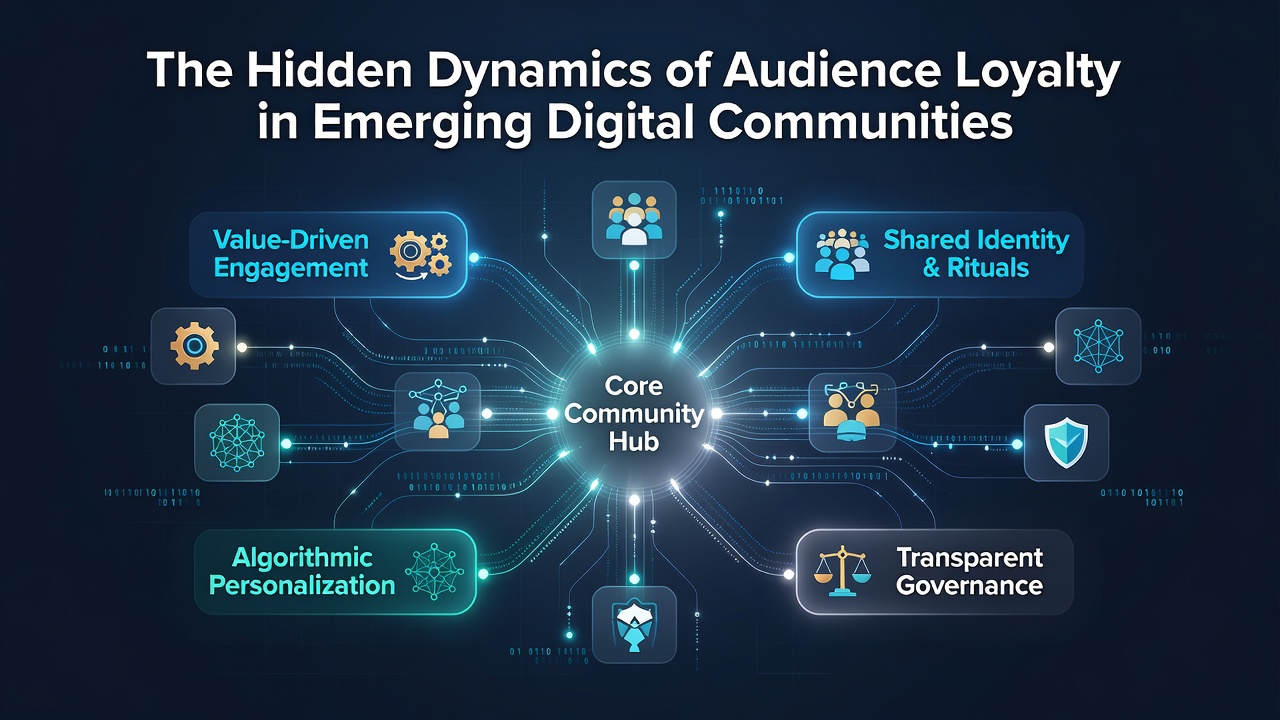
Network effects further amplify these outcomes, since early adopters who establish norms influence later arrivals through subtle cues in language and behavior. Data indicates that loyalty erodes faster when new members encounter inconsistent enforcement of guidelines, yet recovers in spaces that offer onboarding resources tailored to specific community values. Reports from academic centers in the United States and Asia Pacific region continue to document how these hidden layers interact with platform updates that alter visibility algorithms.
Comparative Examples Across Platform Types
Take decentralized social applications that emerged around 2024, where loyalty manifests through token-based participation systems that reward consistent engagement without centralized control. In contrast, invite-only forums often build loyalty via exclusivity and curated introductions, leading to different retention curves according to longitudinal data. Experts analyzing these variations note that hybrid models combining elements from both approaches show resilience during periods of rapid user growth or external competition from established networks.
Case examinations of technical communities focused on open-source development illustrate how loyalty ties to collaborative outputs rather than social prestige alone, and participants frequently cite access to specialized knowledge as a key retention factor. Government-affiliated digital initiatives in several nations have adopted similar principles to maintain engagement in public consultation portals, with measurable upticks in repeat participation following the introduction of transparent contribution tracking. These examples underscore the adaptability of loyalty dynamics across contexts without relying on uniform strategies.
Influences from External Factors and Platform Changes
Shifts in data privacy regulations across jurisdictions have prompted communities to adjust how they store member histories, which in turn affects trust levels and long-term commitment. Research compiled by international trade groups indicates that communities emphasizing data portability see steadier loyalty indicators even when users experiment with alternative platforms. Meanwhile, economic pressures such as subscription models for premium features introduce new variables, where perceived value directly influences whether members maintain active roles.
Observers tracking September 2026 trends report that integration of AI-assisted moderation tools has produced mixed results, with some communities experiencing renewed engagement while others face backlash over perceived overreach. Those who've examined these implementations emphasize the importance of human oversight in maintaining the relational aspects that underpin loyalty. Broader industry analyses from sources like Pew Research Center studies on online participation provide additional context on how these elements evolve alongside technological advancements.
Conclusion
The interplay of identity reinforcement, governance transparency, and reciprocal mechanisms forms the foundation of audience loyalty in emerging digital communities, as evidenced by ongoing data collection efforts worldwide. Patterns observed through mid-2026 suggest these dynamics will continue to influence platform development and user migration decisions in measurable ways. Continued examination by researchers across regions offers pathways to understand how communities sustain themselves amid changing digital landscapes.