Amir Washington · 2 October 2026
Insights into Content Ecosystem Resilience Within Rebranded Professional Networks Following Platform Restructuring
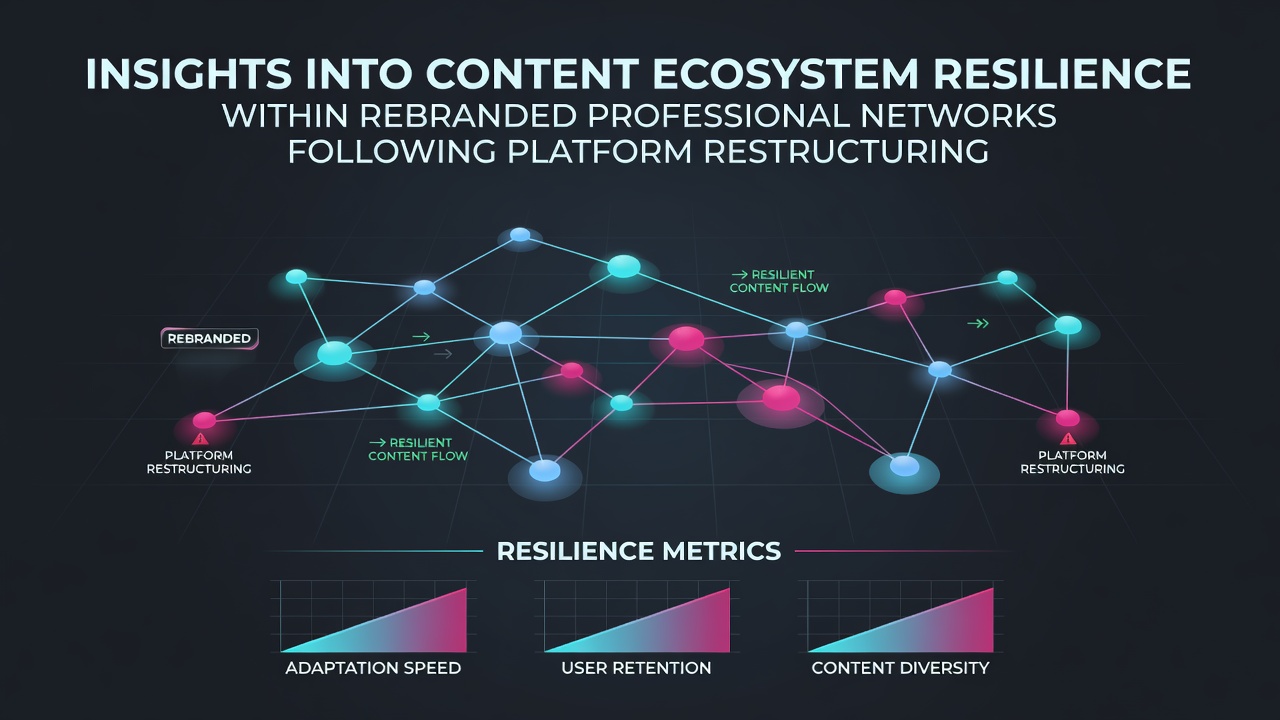
Professional networks that undergo rebranding and structural changes often experience shifts in how content circulates among users, and data from multiple tracking sources shows these adjustments influence ecosystem stability over time. In October 2026 several major platforms completed updates to their core architectures, which altered content distribution algorithms and moderation frameworks while maintaining core professional networking functions.
Platform Changes and Their Immediate Effects
Rebranded networks typically introduce new content categories and revised visibility rules, and observers note that these modifications prompt creators to adjust posting strategies within weeks of launch. Research from the European Commission indicates that algorithm updates in digital platforms can redistribute reach across user segments, with certain professional groups seeing sustained engagement levels while others encounter temporary declines. Those who monitor traffic patterns report that initial drops in organic distribution often stabilize after three to four months as users recalibrate their activity.
Content Adaptation Patterns Across Networks
Creators respond to restructuring by diversifying formats and incorporating new tagging systems, and this behavior appears consistently across regions where similar changes occurred. Figures from industry reports reveal that video and long-form text posts increased by measurable margins in the quarters following major updates, whereas short updates declined in relative volume. People who track these metrics point out that networks with clearer content guidelines tend to retain higher proportions of active contributors compared with those that leave policies ambiguous during transition periods.
Resilience Factors Identified in Recent Analyses
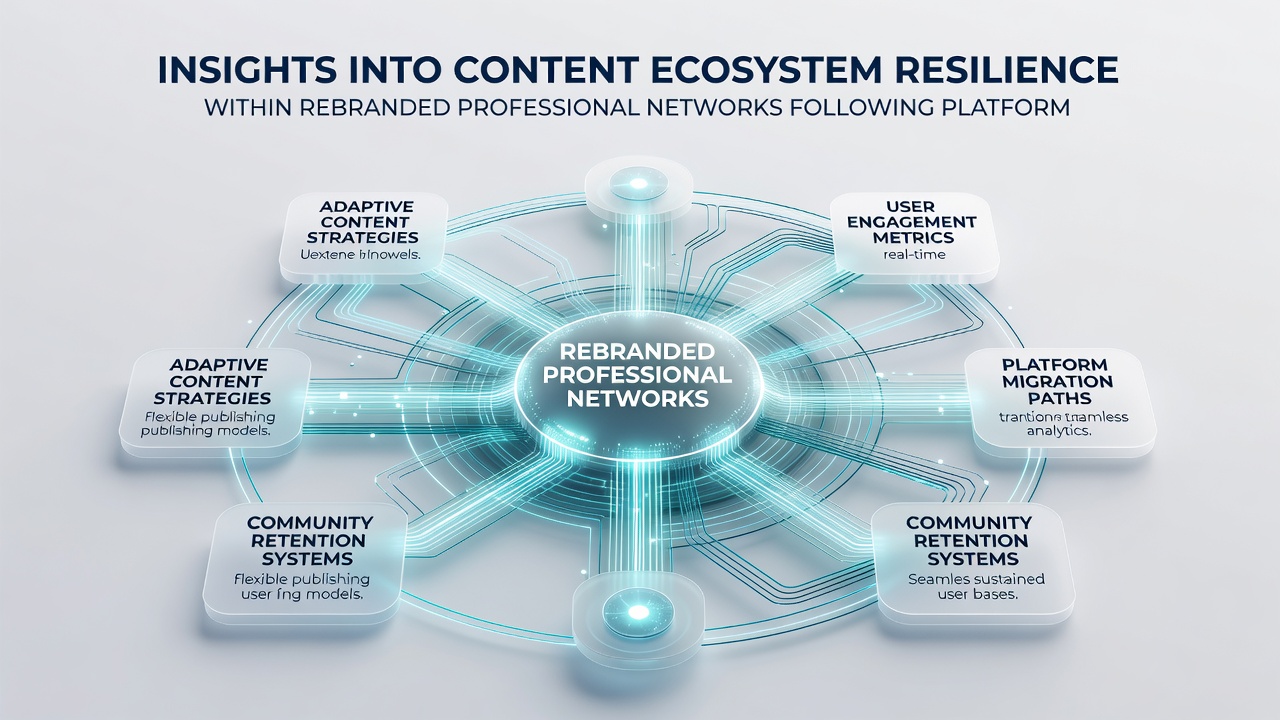
Studies conducted by research institutions highlight several elements that support ecosystem recovery, including robust user communities and established content archives that continue to generate value after interface modifications. Data shows that networks preserving historical post accessibility experience faster rebounds in search-driven traffic, while those that archive older material behind new paywalls see slower restoration of referral patterns. A report issued by Statistics Canada outlines how professional groups in specific sectors maintained cross-platform sharing rates even when primary network features shifted, suggesting that external linkages contribute to overall durability.
Regional Variations in User Response
Responses differ by geographic area, with users in North American markets demonstrating quicker adoption of revised features than counterparts in Asia-Pacific regions according to aggregated platform analytics. Academic papers from Australian universities document that localized content moderation teams helped preserve community standards during restructuring phases, which in turn supported continued content production. Observers tracking these developments note that regulatory environments also shape outcomes, as compliance requirements influence how quickly new tools become available to all users.
Longer-Term Ecosystem Stability Indicators
Longitudinal data collected through 2026 demonstrates that content ecosystems regain pre-restructure equilibrium when networks invest in creator support programs and transparent metric reporting. Those who examine retention statistics find correlations between sustained engagement and the presence of dedicated professional subgroups that continue operating independently of broader platform changes. Evidence suggests that partnerships with external research organizations further strengthen these outcomes by providing third-party validation of performance trends.
Conclusion
Content ecosystem resilience within rebranded professional networks depends on a combination of adaptive creator behaviors, preserved content accessibility, and supportive regulatory frameworks, and these elements interact differently across markets and timeframes. Continued monitoring through October 2026 and beyond will clarify which strategies yield the most consistent results for maintaining professional discourse quality after structural adjustments.